December 2025 Spoonflower Design Challenge Brief: Delft Tiles
Entries: Dec 5 – Dec 16
Voting: Dec 18 – Jan 5
Results: Jan 8
“Delft tiles are known for their delicate line work, scenic story telling vignettes, and ornamental borders. Consider including cobalt blue palettes, hand-painted strokes, floral accents, landscapes, maritime scenes or symbolic figures. We are looking for a clear tile-inspired structure but feel free to add your own modern, creative, or unexpected interpretations in the palette or motifs.” - Spoonflower Design Challenge Brief
The next Spoonflower challenge invites us to step into the world of classic Dutch Delft tiles and bring them into a modern context. This theme is a beautiful blend of structure and storytelling, and it’s one of those prompts where understanding the historical style will help your design read “on-brief” immediately.
But the key this week is balance: Spoonflower is looking for recognizably Delft-inspired tile structure, but open to fresh interpretations in palette, motifs, or artistic style.
Let’s walk through what that really means, the motifs that make sense here, and how to set yourself up for a strong, usable pattern that voters will instantly recognize.
1. What Delft Tile Patterns Typically Look Like
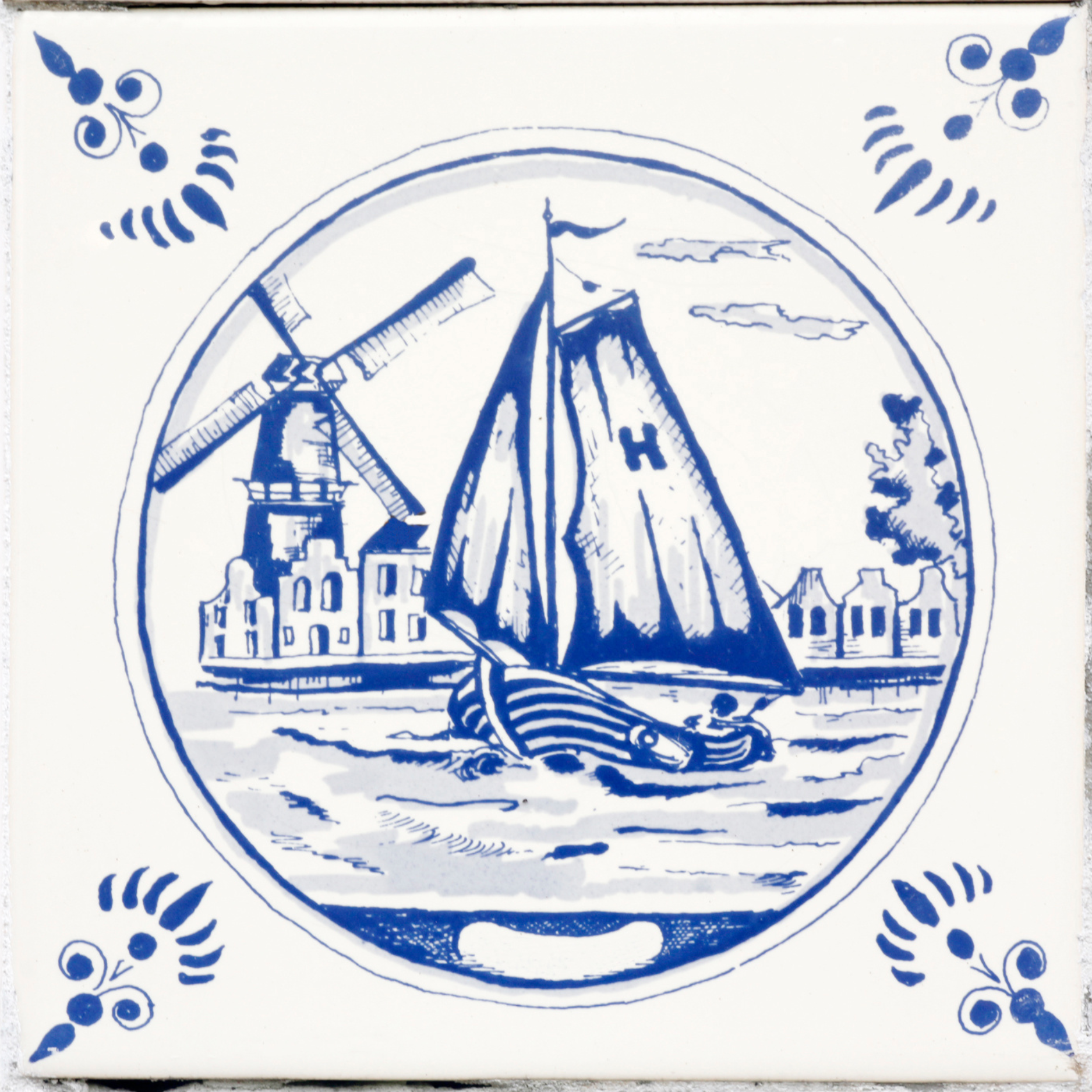
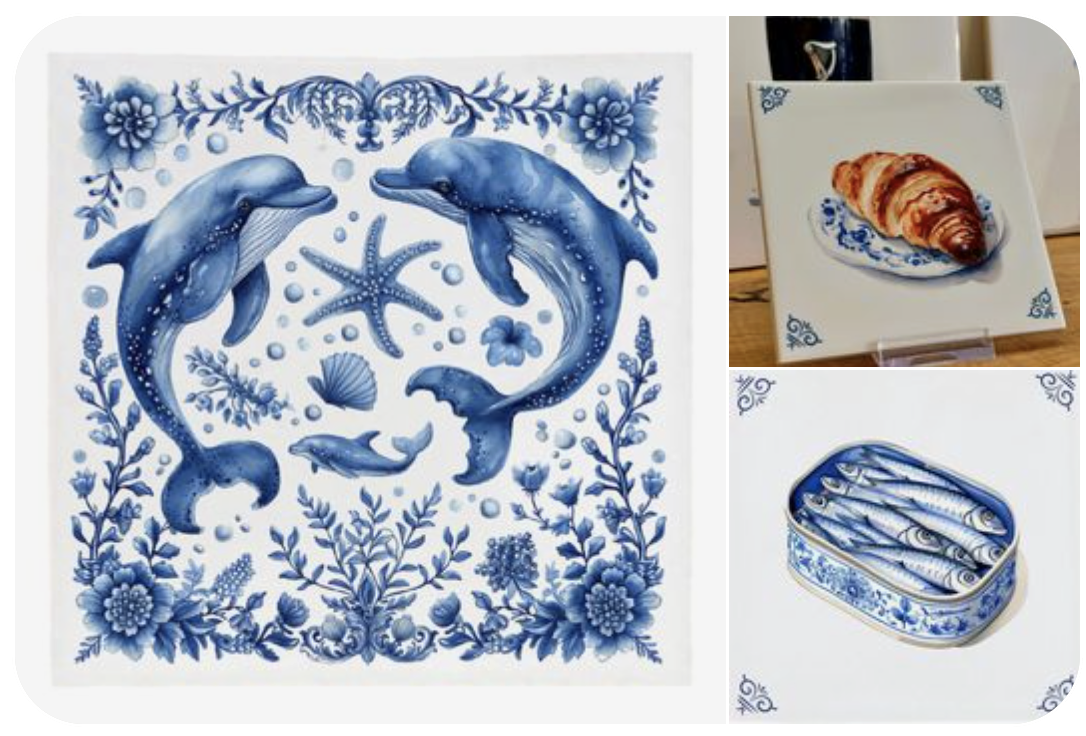
Classic Delftware tiles have a few defining features you should aim to incorporate.
• A strong tile grid:
Usually a clear, repeating square structure — sometimes with visible grout lines, sometimes implied through corner motifs.
• Cobalt blue + white palette:
The most iconic Delft look is painted in variations of cobalt, ultramarine, and soft blue washes.
(You do NOT have to stick to this, but if you deviate, the structure must still read “Delft.”)
• Fine hand-painted linework:
Soft brush strokes, delicate outlines, subtle shading — nothing too harsh or graphic.
• Mini storybook-like scenes (vignettes)
Often depicting:
countryside landscapes
windmills
boats and maritime scenes
people in action (harvesting, fishing, playing)
animals (cows, birds, horses)
These little scenes are traditionally centered within each tile.
• Ornamental corner motifs:
“Spider corners,” florals, leaf curls, quatrefoils, or simple geometric shapes that anchor the tile edges.
2. What I Think Spoonflower Is Actually Looking For
Based on the prompt wording + past challenge patterns that place highly, here’s the core of the brief:
A clear tile structure
The viewer needs to immediately see "tiles" when they look at the thumbnail. Even if your art is whimsical or modern, the grid must be part of the concept.
Delft-inspired motifs
Some options for motif vignettes you might try:
hand-painted linework
scenic storytelling
animals
florals
maritime scenes
symbolic figures
ornamental borders
You don’t need all of these — one, two alternating, or 2x2 layout with 4 different motif vignettes could be perfect.
A palette rooted in Delft tradition OR a modern twist
Some possible options might be:
classic cobalt blue + white
softer powder blues
neutrals + grey-wash Delft
a limited, muted color twist (sage, ochre, sienna)
multicolor “contemporary Delft”
Wallpaper mindset
The challenge will be viewed as wallpaper. This means you’ll want to design in a medium-to-large scale with structural clarity and a repeat that feels architectural, not just decorative. Delft tiles are often in kitchens and bathrooms, so imagining your print in one of these locations might help in the execution.
Repeat Structure Notes (Specific to This Challenge)
Allowed repeats:
Basic
Half-Drop
Half-Brick
Mirror
For wallpaper, the strongest options are:
Basic (keeps the tile grid clean)
Half-drop (adds interest but still keeps the grid readable)
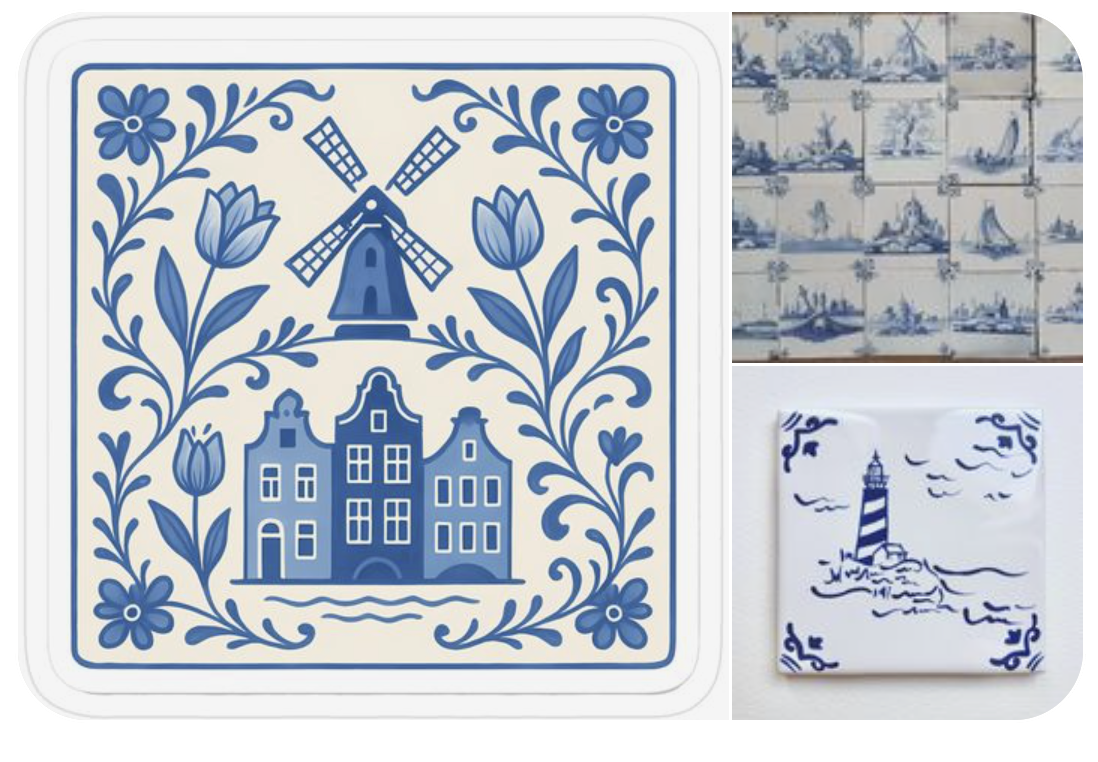
Check out my Pinterest Boards for inspiration and ideas
A Little Encouragement Before You Start Designing
This is one of those challenges where clarity really matters. If your pattern looks like a Delft tile from across the room and then rewards the viewer with charming, unique details when they get closer, you’ve nailed the brief.
Stay focused on usability, keep your palette super tight, and let yourself enjoy the hand-painted feel of the artwork. Even if you take a more modern route, the thoughtful details are what make Delft patterns so loved.
If you create something you love and it feels on-brief, it’s doing the job. And no matter where you place, you walk away with a beautiful new pattern in your portfolio.